Does Diet Cause Acne? What an Esthetician-Dietitian Actually Recommends
I'm Lindsey Rapp, MS, RD, LE — a registered dietitian and licensed esthetician in Waterford, Michigan. Clients across Metro Detroit ask me some version of the same question every week: does diet cause acne?
Short answer: diet is rarely the only cause, and it is almost never "greasy pizza = pimple tomorrow." What the evidence supports is more useful — and more nuanced. Certain eating patterns (especially high glycemic load and, for some people, cow's milk) can aggravate acne through insulin, IGF-1, and inflammation pathways. Topicals and in-spa care still matter. So does knowing when food changes are worth the effort, and when you need a facial plan, a dermatologist, or both.
This page is my RD + LE acne hub for Lindsey Rapp Skin. It expands the old short "diet, supplements & skincare" guide into the evidence-based version I wish every acne client had before they cut out half their fridge.
Book a Virtual Skin Consultation or acne-capable facial →
Studio: 4000 Highland Rd Suite 120, Waterford, MI 48328 — clients regularly drive from Bloomfield Hills, Birmingham, Rochester Hills, Troy, Novi, West Bloomfield, Clarkston, and greater Metro Detroit.
Does Diet Cause Acne? What the Evidence Actually Says
The American Academy of Dermatology's public guidance is honest: a low-glycemic pattern may reduce breakouts in some people, cow's milk shows an association in studies, and more research is still needed (AAD: Can the right diet get rid of acne?). That matches what I see in the chair and what I was trained to say as an RD: diet can influence acne severity for many people; it does not "cause" every breakout, and it will not replace medical care for cystic or scarring disease.
A 2022 systematic review in JAAD International (open access on PMC) concluded that high glycemic index / glycemic load diets have a modest but meaningful pro-acne effect, supported in part by randomized trials, while dairy evidence is mixed and may depend on sex, ethnicity, and whether someone eats a Western-pattern diet (Meixiong et al., 2022 — PMC8971946).
So when someone Googles "foods that cause acne," I reframe it: which foods are most likely to worsen acne for someone like you — and what else has to be true for skin to clear?
Glycemic Load: The Strongest Dietary Signal
Glycemic load (GL) describes how much a carbohydrate-containing meal raises blood sugar, factoring in both the type of carb and the portion. High-GL patterns (think sugary drinks, refined snacks, large servings of white bread or white rice) can drive insulin spikes. Higher insulin and IGF-1 signaling can increase sebum production and keratinocyte proliferation — two ingredients in the acne recipe.
What the trials showed
- Smith et al., 2007 (American Journal of Clinical Nutrition): In a 12-week randomized trial of young men with acne, a low-glycemic-load diet reduced total lesion counts more than a control carbohydrate-dense diet (−23.5 vs −12.0 lesions on average) and improved insulin sensitivity measures. Weight also dropped more in the low-GL group, so diet composition and weight change were intertwined (AJCN low-GL acne RCT).
- Kwon et al., 2012: In Korean patients with mild-to-moderate acne, a 10-week low-glycemic-load diet improved both non-inflammatory and inflammatory lesions versus control, with supportive histological changes (smaller sebaceous glands, less inflammation markers) (PubMed 22678562).
- Not every trial is positive. Some shorter or mixed-design studies find weaker or non-significant differences when everyone is also using an effective topical (for example, benzoyl peroxide). Evidence summaries used in clinical guidelines note that low-GL diets may help lesion counts but trials are often small and effortful to follow (NCBI Bookshelf / dietary interventions for acne vulgaris).
My clinical takeaway for Metro Detroit clients: If your week is built on sweet coffee drinks, refined snacks, and dinner carbs that leave you crashing, a lower-GL shift is one of the highest-yield "diet for clear skin" experiments we can run — without promising a miracle.
Practical low-GL swaps (not a punishment menu)
| Lean on | Ease up |
|---|---|
| Vegetables, most berries, beans, lentils | Sugary drinks, sweetened coffee drinks |
| Steel-cut or old-fashioned oats, quinoa, intact whole grains | Large portions of white bread, white rice, instant cereals |
| Protein + fat + fiber at meals (slows glucose rise) | "Naked" refined carbs on an empty stomach |
| Fruit with yogurt alternatives or nuts if dairy is a trigger | Pastries, candy, juice as daily defaults |
This is pattern work, not perfection. One birthday cake does not "cause" a two-week cystic flare by itself.
Dairy and Acne: Association, Not a Court Verdict
Dairy is the second most-asked topic after sugar. Here is the honest RD version.
A meta-analysis of observational studies (tens of thousands of participants across cohort and case-control designs) found a modest positive association between milk intake and acne risk — pooled odds ratio about 1.16 for milk consumers vs non-consumers, with a slightly stronger signal in some skim-milk analyses (Juhl et al. milk–acne meta-analysis summary). That is association, not proof that milk causes every breakout.
The AAD notes that cow's milk has been linked to acne in studies, while yogurt and cheese have not clearly shown the same pattern in the evidence they summarize. The 2022 systematic review likewise found mixed dairy results, with a stronger story in Western-diet populations.
Why milk might matter biologically
Milk proteins (whey and casein) and naturally occurring hormones can influence IGF-1 and insulin signaling. That is a plausible pathway — which is why bodybuilders who dump large whey shakes sometimes report flares, even though dedicated randomized trials isolating whey and acne severity are still limited. I treat whey as a personalization experiment, not a universal ban written in stone.
How I coach dairy in real life
- If jawline/chin acne tracks with high milk intake, we trial 2–4 weeks reducing cow's milk drinks (latte volume counts) while keeping protein adequate elsewhere.
- We do not automatically delete yogurt, kefir, or cheese unless your skin clearly reacts — the evidence is weaker there.
- We never create fear-based elimination that risks disordered eating. Acne already hits self-esteem; food rules should stay clinical and reversible.
What I Recommend Eating (Diet for Clear Skin, RD Edition)
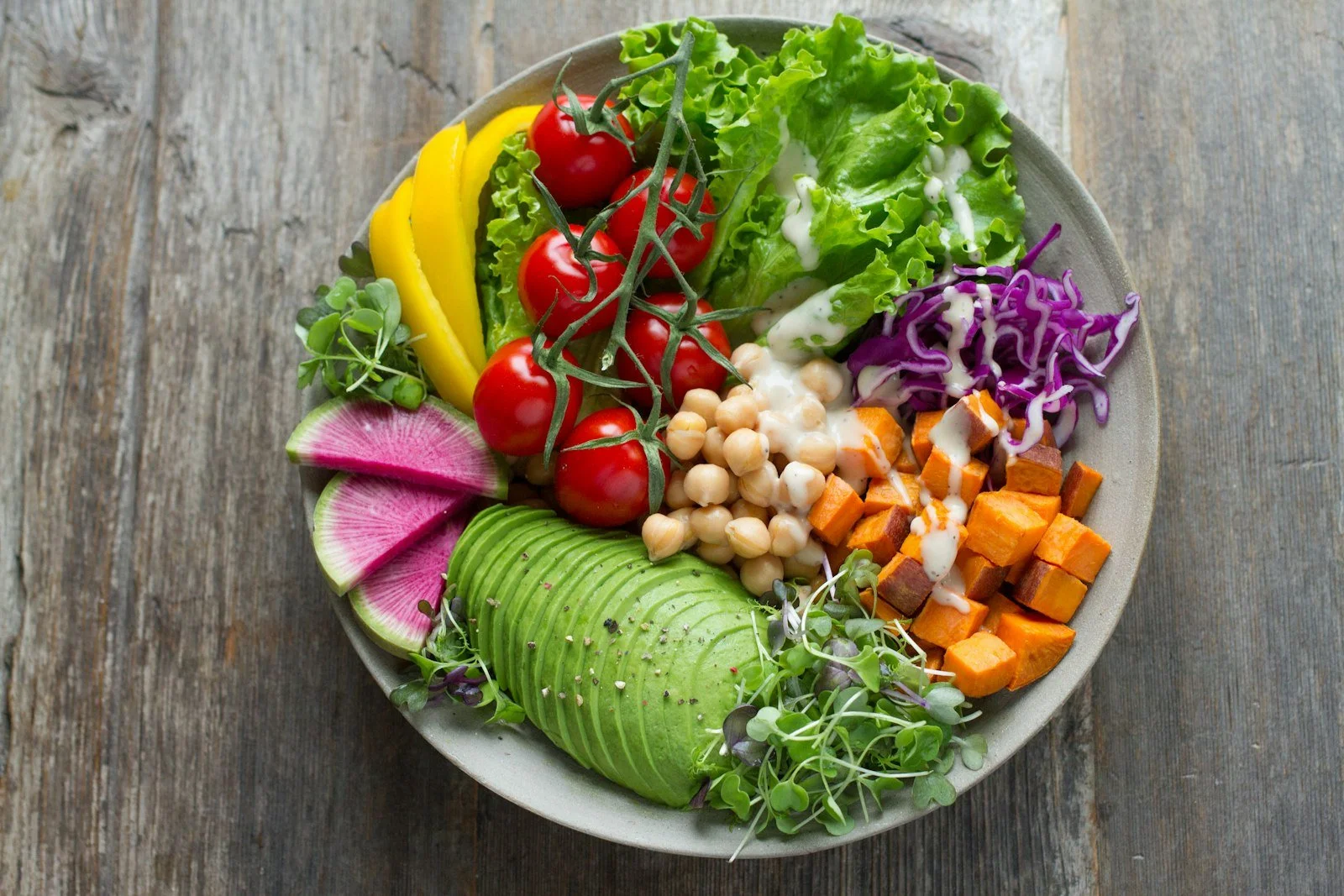
When clients ask for a "diet for clear skin," I aim for an anti-inflammatory, lower-GL, Mediterranean-leaning pattern — not a 12-item banned list.
Build plates around:
- Colorful vegetables and leafy greens most days
- Berries and whole fruit (paired with protein/fat when possible)
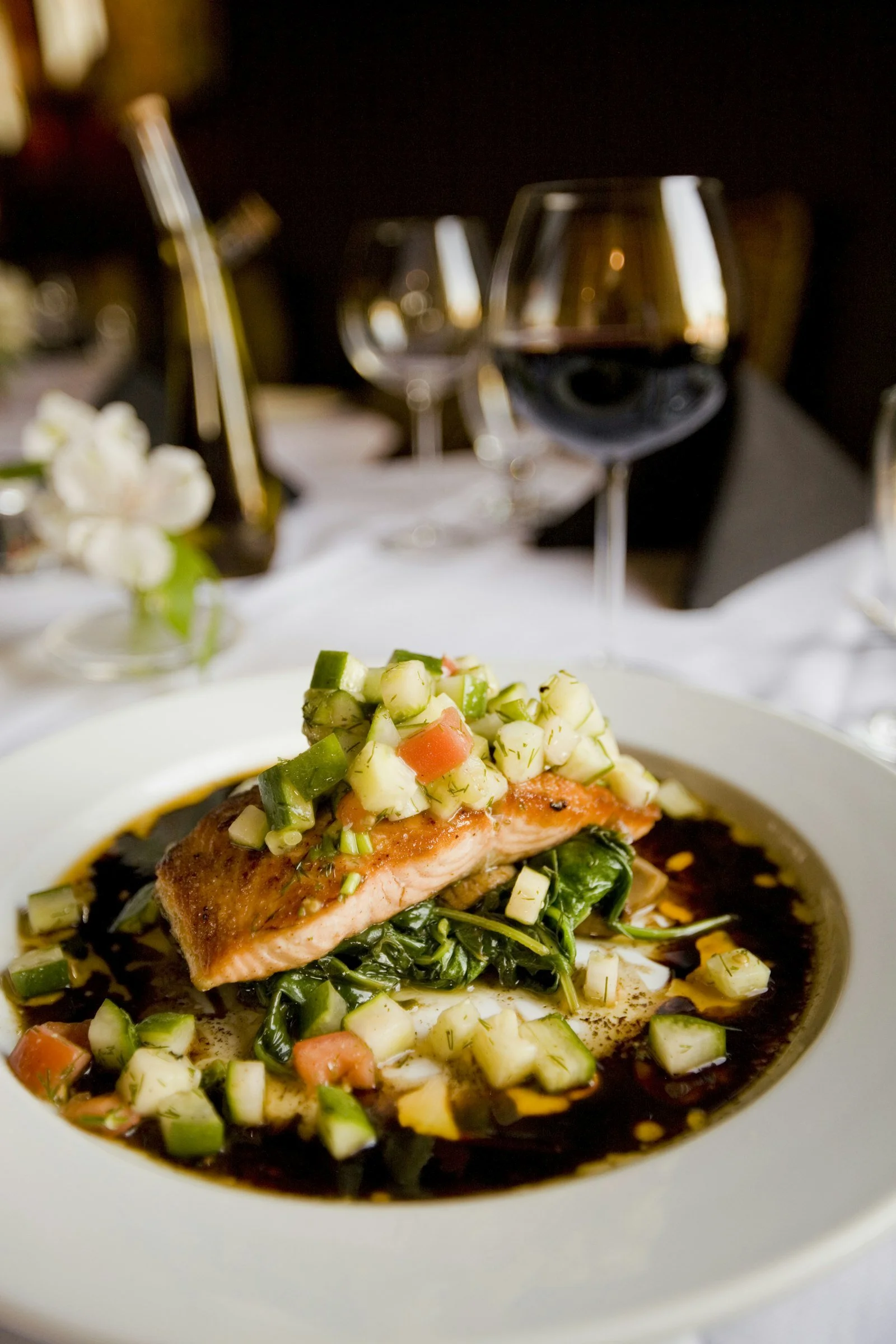
- Fish a few times per week when it fits your preferences (omega-3 fats support an anti-inflammatory pattern)
- Olive oil, avocado, nuts/seeds you tolerate
- Adequate protein from poultry, fish, eggs (if tolerated), legumes, or dairy alternatives
- Fiber-rich carbs in sensible portions
Common aggravators to audit (not moral failures):
- Daily sugar-sweetened beverages and dessert-as-habit
- Large whey protein bolus shakes if your skin flares after them
- Very high milk intake (multiple glasses or milk-heavy coffee drinks)
- Ultra-processed snack patterns that keep glycemic load high all afternoon
I still use food-and-symptom notes with clients — two weeks of simple tracking beats a lifetime of internet lists.
Supplements: Only the Ones Worth Discussing
Supplements are supportive, not magic. Evidence quality varies; I keep the list short and scope-careful (I am not prescribing drugs).
- Omega-3s (fish oil): anti-inflammatory dietary pattern support; choose a quality, third-party-tested product if we add one.
- Zinc: involved in wound healing and sebum biology; forms and doses should be individualized — more is not better, and long-term high doses have risks.
- Probiotics: gut–skin interest is real and research is evolving; useful for some, not a cure-all.
- Spearmint tea: sometimes discussed for androgen-sensitive / hormonal patterns; evidence is limited compared with glycemic and dairy literature — frame as optional, not mandatory.
Always clear new supplements with your physician if you are pregnant, nursing, on medications, or managing a medical condition.
Skincare and In-Spa Care Still Matter (Diet Is Not Enough)
Even the best plate will not unclog a pore that needs a smart topical plan — or calm a barrier that has been stripped by harsh acne routines.
Evidence-backed topical families I use in plans (matched to your barrier, not a viral 10-step):
- Benzoyl peroxide
- Retinal / retinoids (tolerability first)
- Azelaic acid
- Niacinamide
- Salicylic acid (BHA) when appropriate
- Sulfur in spot contexts
For the Korean-style home routine angle (product order, barrier-first steps), see The Ultimate Korean Acne Skincare Routine — that post owns routine structure; this page owns the diet science.
When breakouts, congestion, or post-acne marks need hands-on care in Metro Detroit, read Best Facial for Acne in Waterford and my wider Best Facials in Metro Detroit guide. Many acne-prone clients do well with a customized Signature Korean Facial once the barrier can tolerate treatment — transparent pricing is in How Much Does a Korean Facial Cost in Metro Detroit?.
Hormonal patterns (cyclical jawline flares) get their own spoke: Hormonal Acne: Causes and Treatment — use that page for cycle timing and when to loop in your OB-GYN; come back here for the food science.
When Diet Changes Are Not the Main Lever
Please see a dermatologist (and keep me in the loop for supportive care) if you have:
- Painful cystic acne
- Rapid scarring
- Signs of infection
- Acne that is severely affecting mental health
- Suspected endocrine issues that need medical workup
Diet coaching should never delay isotretinoin conversations, prescription topicals, or other medical therapy when those are appropriate. My lane is licensed esthetics + nutrition counseling within RD scope — not diagnosing disease or replacing your physician.
A Simple 4-Week Experiment (Metro Detroit Client Version)
- Week 1: Cut sugar-sweetened drinks; keep meals protein + produce anchored.
- Week 2: Swap the most refined daily carb for a lower-GL option; note skin and energy.
- Week 3: If milk intake is high, trial reducing cow's milk drinks; hold yogurt/cheese steady unless they are clear triggers.
- Week 4: Review photos + notes with me in a Virtual Skin Consultation ($100, credited fully toward product) or in the treatment room after an acne-capable facial.
Consistency beats intensity. Skin often needs 8–12 weeks to show a true pattern change.
How to Book Support at Lindsey Rapp Skin
- Open https://lindsey-rapp-skin-shop.square.site/
- Choose a Virtual Skin Consultation if you want nutrition + routine mapping first, or an acne-appropriate facial if your barrier is ready for in-chair work
- Visit 4000 Highland Rd Suite 120, Waterford, MI 48328
- We will connect diet, topicals, and treatment cadence — not guess in isolation
FAQ: Diet and Acne
Does diet cause acne?
Diet alone rarely "causes" acne the way bacteria, hormones, and follicles do — but high glycemic-load patterns and, for some people, cow's milk are linked with worse acne in research. Think aggravate or improve, not one cookie created this cyst.
What foods are most associated with acne?
The best-supported dietary signals are high-glycemic refined carbohydrates and cow's milk (observational association). Greasy food and chocolate are weaker myths than social media suggests. Individual triggers still matter.
Will cutting dairy clear my skin?
Maybe, maybe not. Milk reduction is a reasonable 2–4 week experiment if intake is high and acne is inflammatory. Yogurt and cheese are less clearly implicated in AAD summaries. Do not strip protein and calcium without a replacement plan.
Is a low-glycemic diet worth it for acne?
For many of my clients, yes as a pattern — especially if the current diet is drink-and-snack heavy. Small RCTs (including Smith 2007 and Kwon 2012) support lesion improvements; not every study agrees, and adherence is hard. Pair diet with skincare; do not diet-only white-knuckle moderate-to-severe acne.
Can I fix acne with diet instead of facials?
Sometimes mild congestion improves with food + topicals alone. Persistent acne, scarring risk, or barrier damage usually needs professional care. In Waterford / Metro Detroit, that can mean an acne-focused facial plan, and sometimes dermatology.
Where do Korean facials fit if my acne is diet-related?
Diet lowers the systemic fuel; facials address what is happening on the skin — extractions when appropriate, barrier repair, inflammation calm, and a home plan you will actually follow. Start with the acne facial guide and Korean facial cost guide if you are ready to book.
Do you work with clients outside Waterford?
Yes. Clients drive from across Oakland County and Metro Detroit for acne consults and Korean facials. Virtual consults are available when travel is hard.
Lindsey Rapp, MS, RD, LE — Lindsey Rapp Skin, Waterford, MI. Educational nutrition and esthetics information only; not medical advice or a substitute for dermatology care. Study links point to primary literature or major clinical summaries cited above.